Back to Blog
Five Saree Draping Styles Every Woman Should Try
From the everyday Nivi to the regal Nauvari — five drapes, what they suit, and how to carry them.
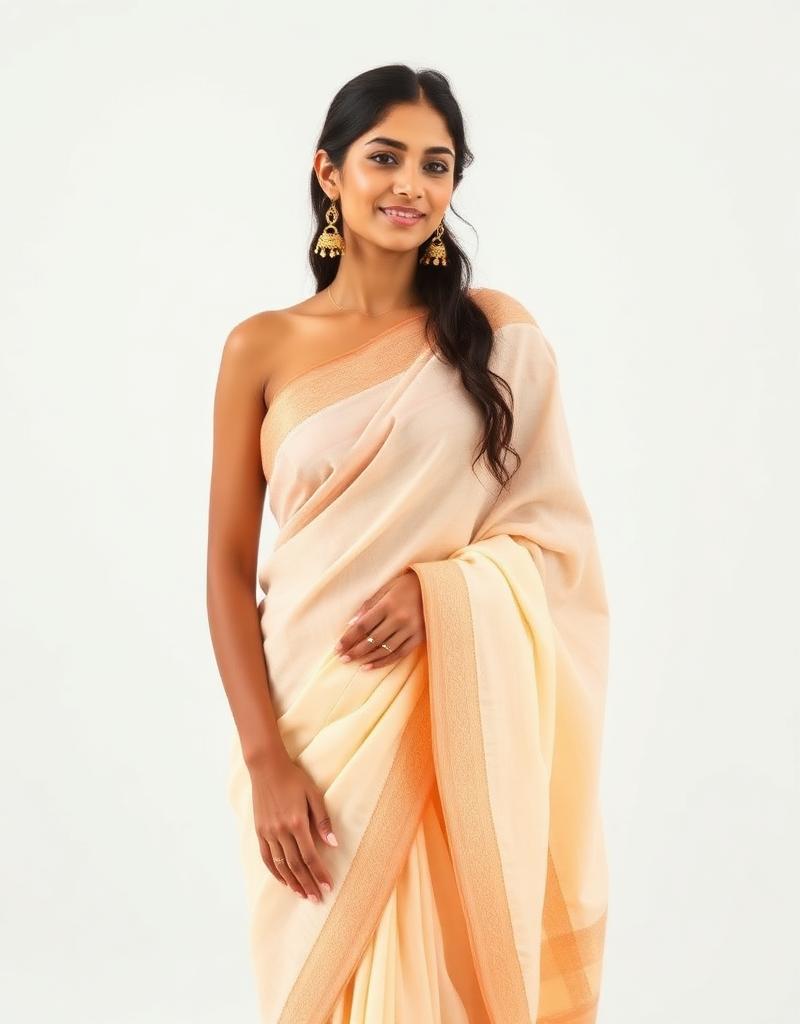
The Nivi drape is the one most of us learn first. Pleats tucked at the waist, pallu falling over the left shoulder. It is neat, it is easy to move in, and it flatters almost everyone — which is why it became the default across most of India.
The Bengali drape skips pleats almost entirely. The saree is wrapped in wide box folds and the pallu is brought over the left shoulder, back under the right arm, and thrown over the shoulder again — often with a set of keys knotted into the end. Worn with a red-and-white cotton or a soft silk, nothing looks more festive during Durga Puja.
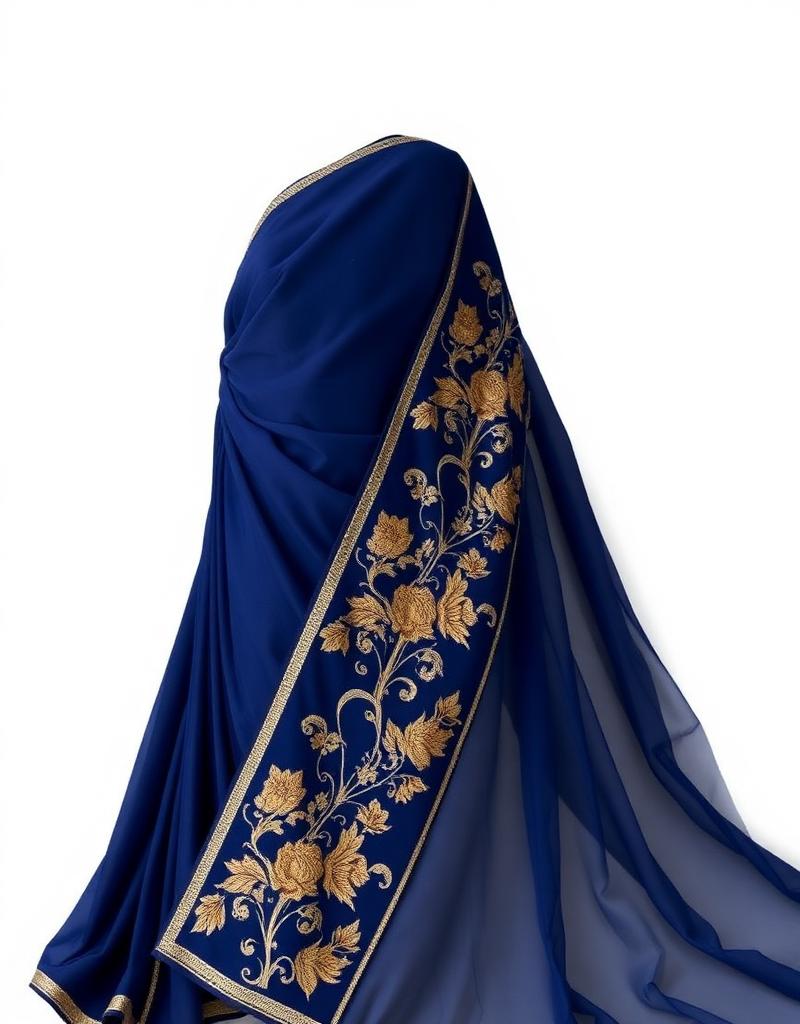
The Gujarati or seedha pallu reverses the direction: the pallu comes over the right shoulder and is spread across the front. It is the best drape for a saree with a stunning pallu, because the design faces forward instead of hiding behind you.
The Nauvari is the nine-yard Maharashtrian drape, passed between the legs and tucked at the back like a dhoti. It was built for movement — historically for women who rode and worked — and it still carries that confident, warrior-like energy.
The modern pant drape is the newest of the five: a saree worn over trousers, pleats sharp, pallu pinned close. It suits a contemporary silk or a georgette beautifully and travels from an office event to a dinner without a change.
Start with the Nivi. Then borrow the rest as the occasion calls for it — the saree is generous that way.